
Many people still believe that visiting Africa will expose them to hostile tribes, wild animals wandering on streets, dirt roads, and temporary dwellings. Africa is accurate, perspective unique and gorgeous continent, busting all of the generally held myths.
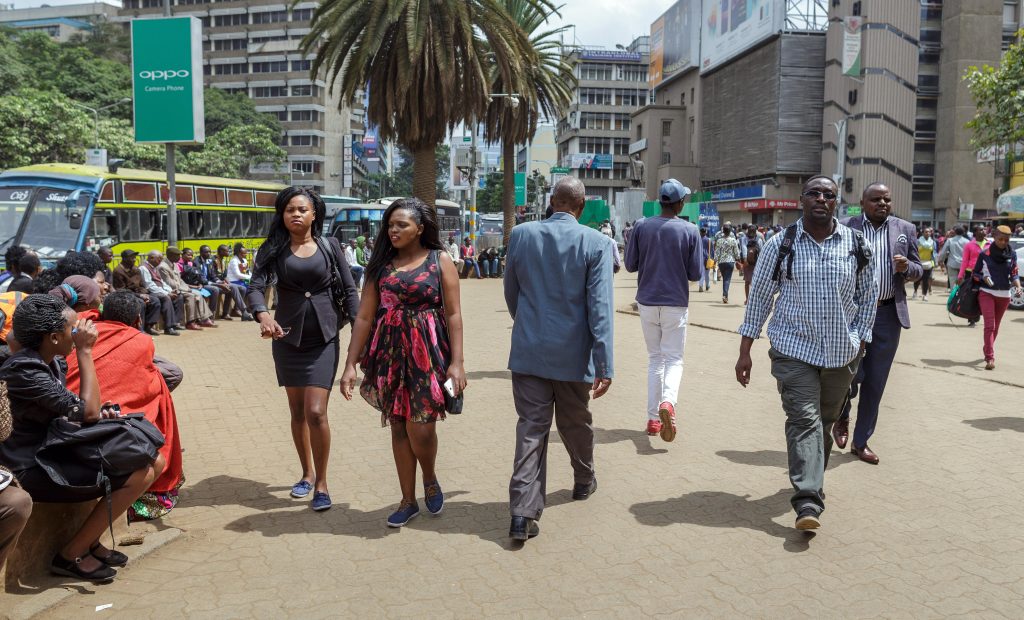
How big is Africa by area.
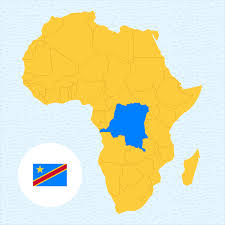
Africa covers six percent of the world’s total surface area, roughly 30,244,000 km² (11,700,000 mi²). Including its adjacent islands. With 1.3 billion people as of 2018, it accounts for about 16% of the world’s human population, the continent occupies about 20 percent of Earth’s total land area. Africa’s largest country is Algeria, followed by the Democratic Republic of the Congo (Kinshasa), and Sudan. You can’t really describe Africa without talking about the animals, the beautiful sunsets and sunrises, the lush green landscape during the rainy seasons, the sweeping savannas, the pure gorgeousness of it all. Africa has the friendliest people, always with smiles to greet you and a kind word.
Africa by regions
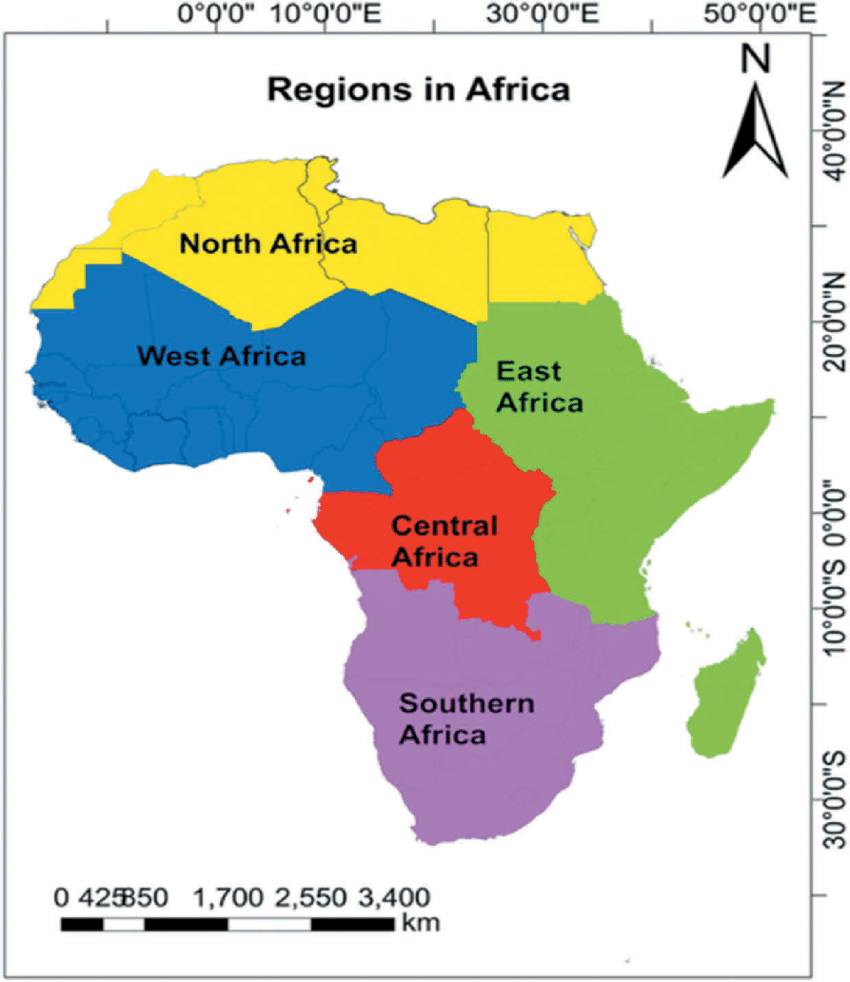
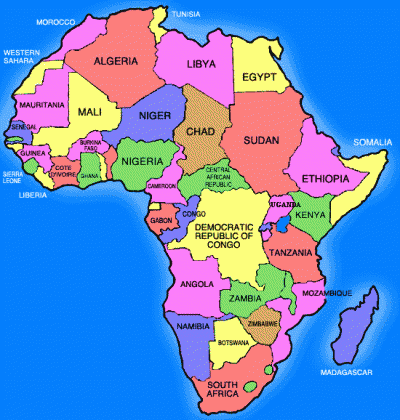
Map of Africa showing regions
Africa covers six percent (6%) of the world’s total surface area, roughly 30,244,000 km² (11,700,000 mi²). Including its adjacent islands, the continent occupies about 20 percent of Earth’s total land area. Africa’s largest country is Algeria, followed by the Democratic Republic of the Congo (Kinshasa), and Sudan.
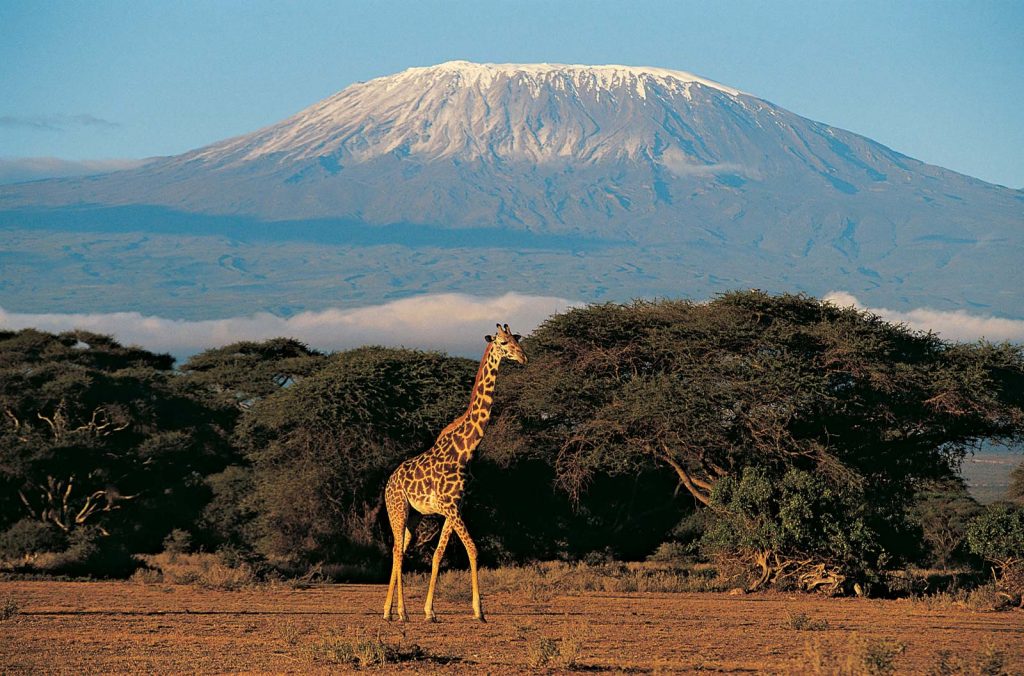
Highest point in Africa
Mount Kilimanjaro
Located in Tanzania, Mount Kilimanjaro is the African continent’s highest peak at 5,895 meters (19,340 feet). The majestic mountain is a snow-capped volcano.
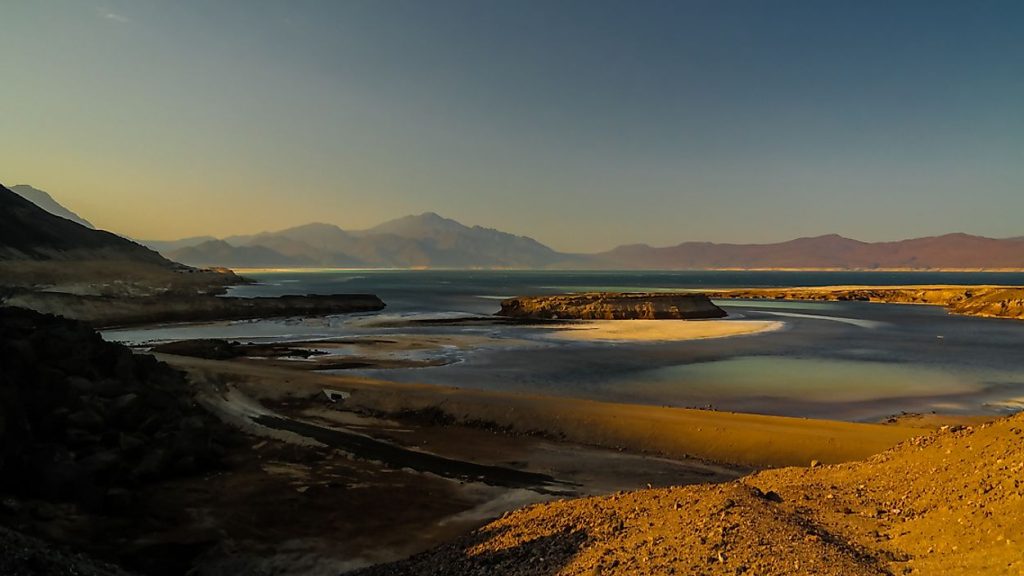
lowest point in Africa: Lake Assal in Djibouti.
Lake Assal is a saline lake which lies 155 m below sea level in the Afar Triangle, making it the lowest point on land in Africa and the third-lowest point on Earth after the Sea of Galilee and the Dead Sea
How many countries are there in Africa?
There are 48 countries that share the area of mainland African continent, plus six island nations are considered to be part of the continent. All in all, there are 54 sovereign African countries and two disputed areas, namely Somaliland and Western Sahara
Why visit Africa
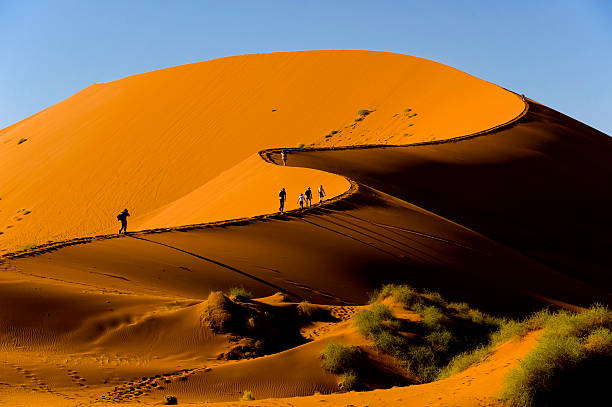
When it comes to incredible scenery, Africa is right up there with the best. Boasting vast savannas, stunning beaches and dramatic mountains, this continent has it all. Throw in epic canyons, sugar and tea plantations, extinct volcanoes, and you’ve got endless opportunities to explore nature at its finest.

Best countries to visit in Africa
(1)Uganda
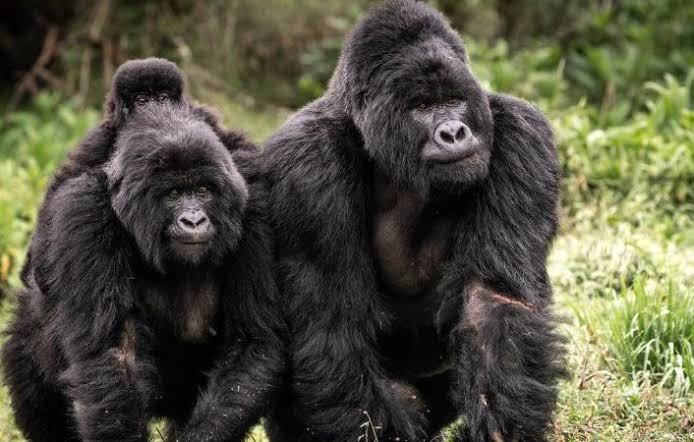
Uganda is a natural beauty, with an abundance of gifts bestowed to her: the snowcapped mount Rwenzori, named one of the best hikes in the world by the National Geographic; Mountain Elgon, with the largest volcanic caldera in the world; and Africa’s largest lake, Lake Victoria; the mighty River Nile followed by the Apes like chimpanzees and not to forget the gorgeous beautiful gentle giants, the mountain Gorillas.
(2) KENYA:
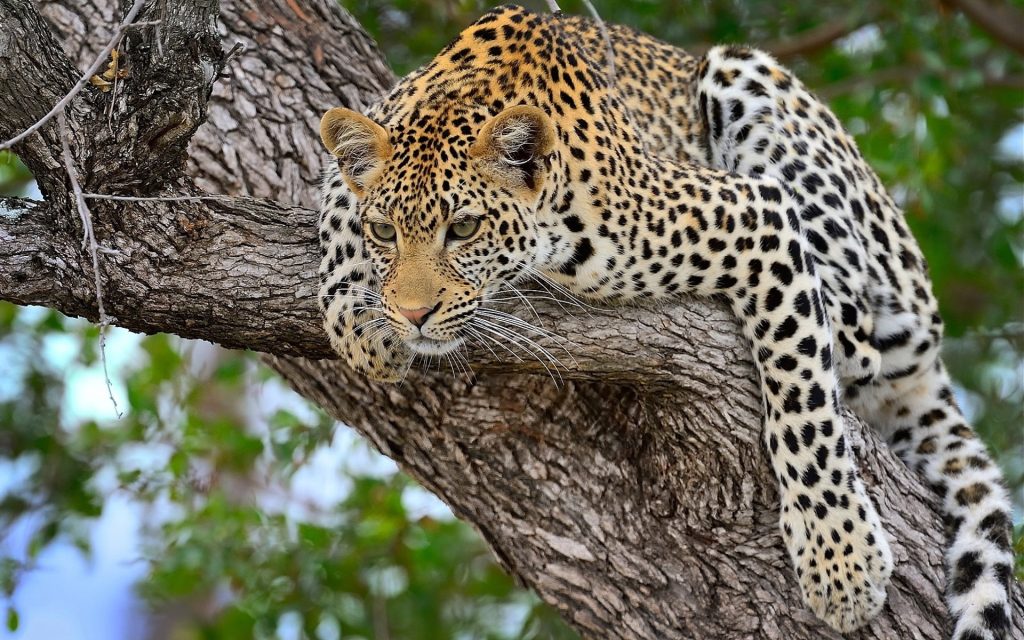
Kenya is a country in East Africa with coastline on the Indian Ocean. It encompasses savannah, lake lands, the dramatic Great Rift Valley and mountain highlands. It’s also home to wildlife like lions, elephants and rhinos. From Nairobi, the capital, safaris visit the Maasai Mara Reserve, known for its annual wildebeest migrations, and Amboseli National Park, offering views of Tanzania’s 5,895m Mt. Kilimanjaro. Kenya, country in East Africa famed for its scenic landscapes and vast wildlife preserves. Its Indian Ocean coast provided historically important ports by which goods from Arabian and Asian traders have entered the continent for many centuries. Kenya’s part in the world famous Great Migration, where over 1.5 million wildebeest and 200,000 zebra make their legendary 1,800 mile round trek, starts around late July/early August time when the animals arrive in the Masai Mara National Reserve from the Serengeti in neighboring Tanzania.