What is geomorphology?
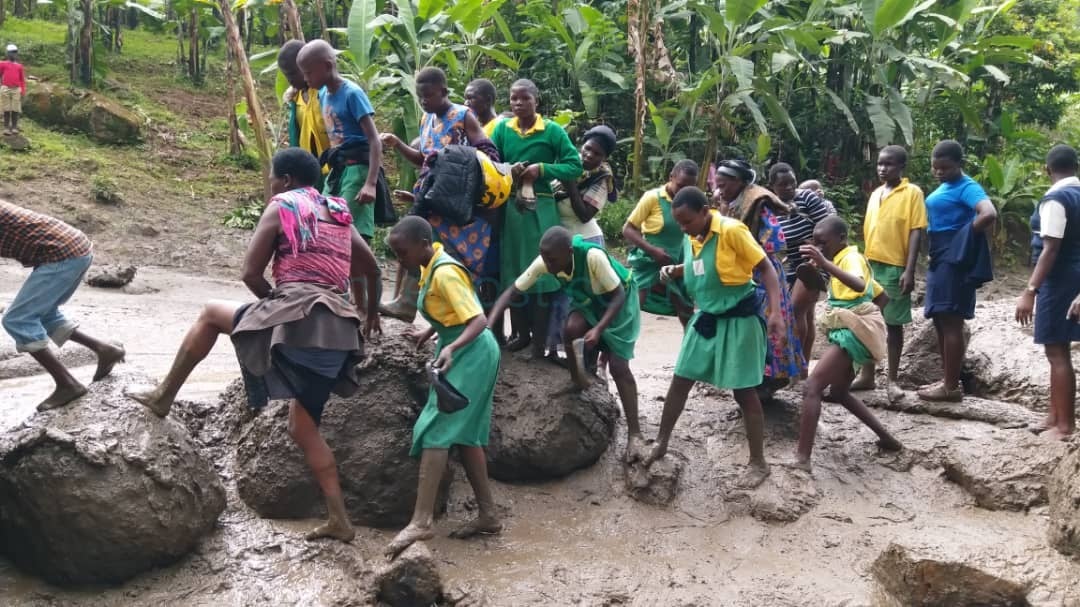
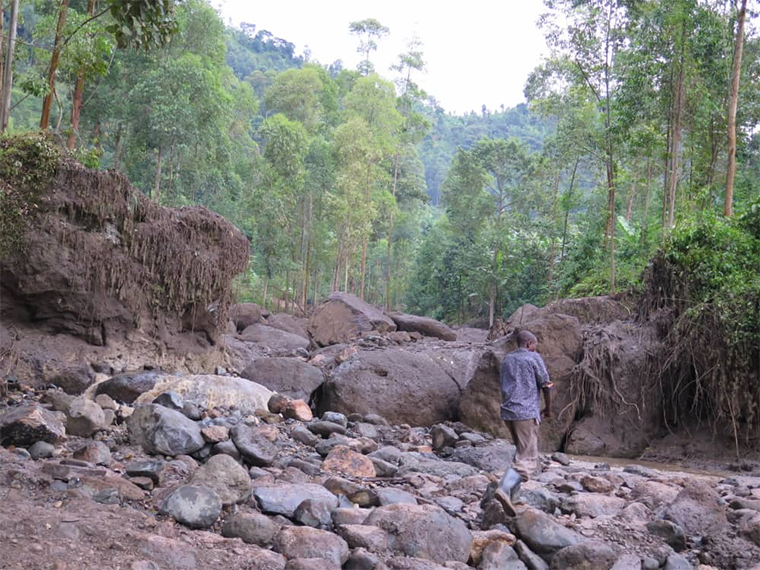
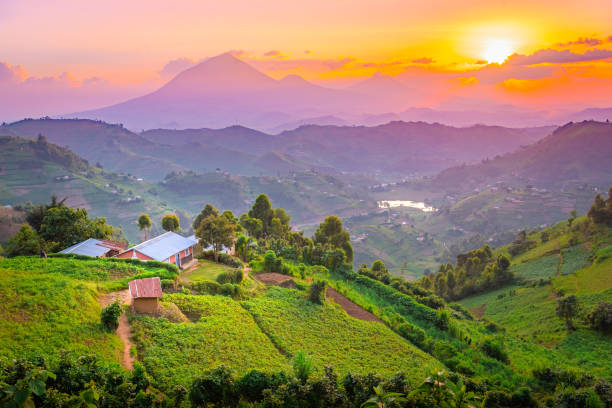
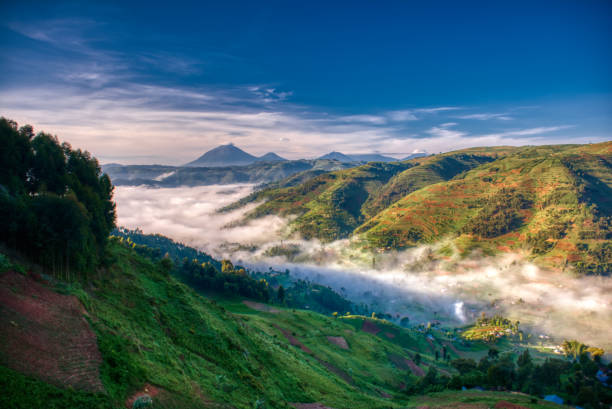
Geomorphology is the study of landforms and landform evolution. The topic traditionally has been studied both qualitatively, which is the description of landforms, and quantitatively, which is process-based and describes forces acting on Earth’s surface to produce landforms and landform change.
What are the 4 geomorphological processes?
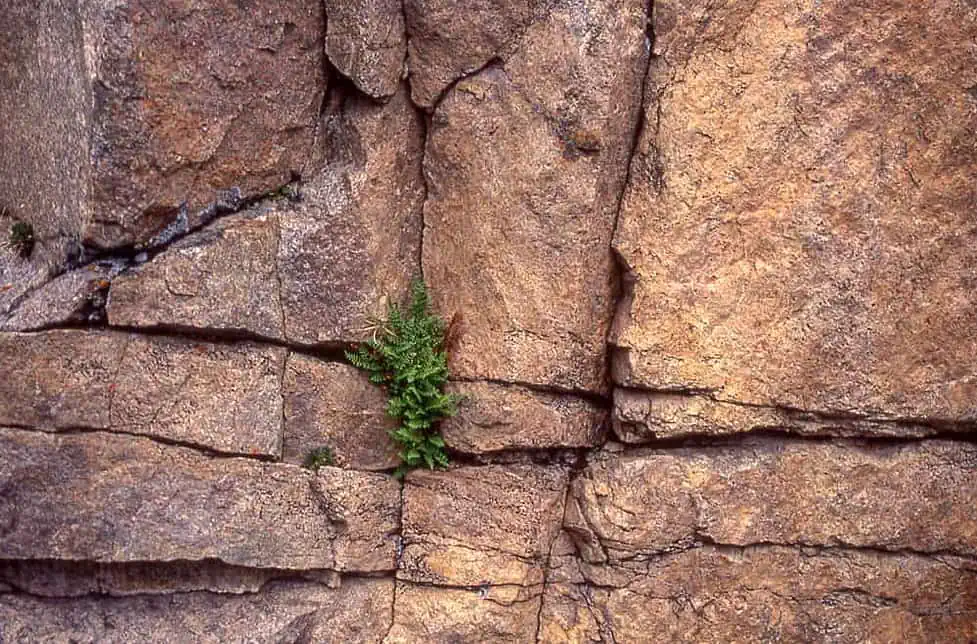
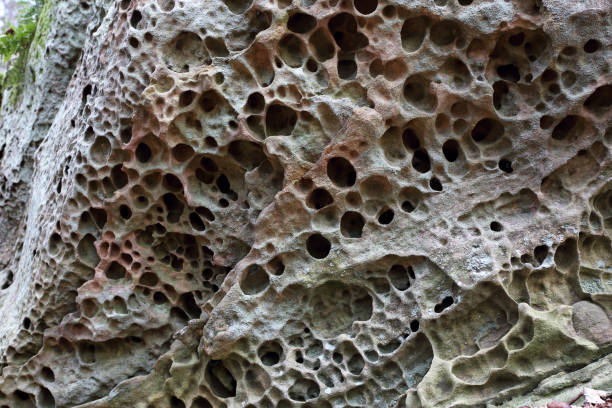
(1) Geomorphological Weathering.
Weathering causes the disintegration of rock near the surface of the earth. Plant and animal life, atmosphere and water are the major causes of weathering. Weathering breaks down and loosens the surface minerals of rock so they can be transported away by agents of erosion such as water, wind and ice.
(2) Geomorphological mass wasting.
Glacial and Periglacial Geomorphology
Mass wasting is the gravity-driven movement of regolith down a slope, and does not require the operation of ice, water, or air. It is ubiquitous but tends to be most effective in mountainous areas, and plays a considerable role in the geomorphic evolution of a landscape.
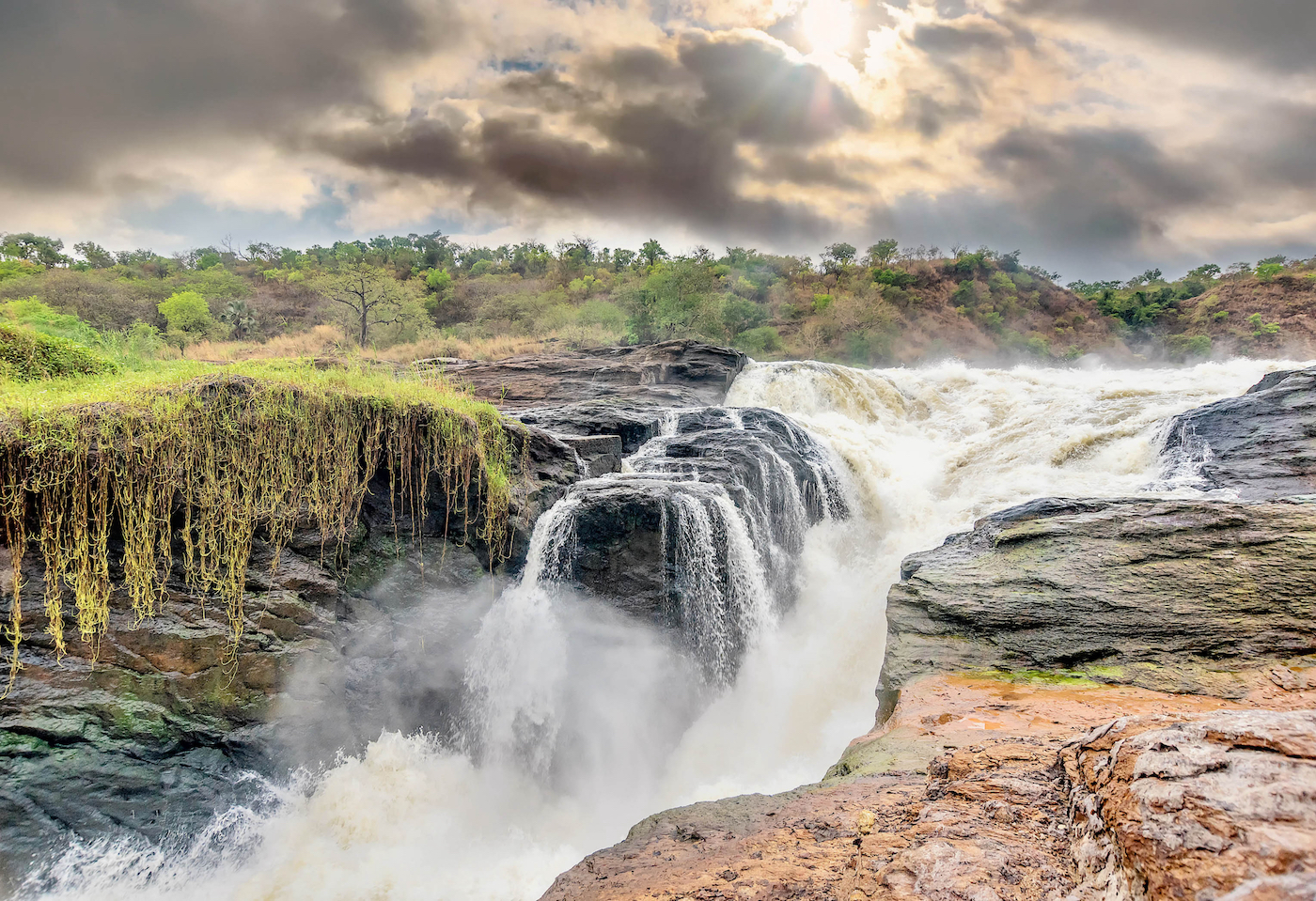
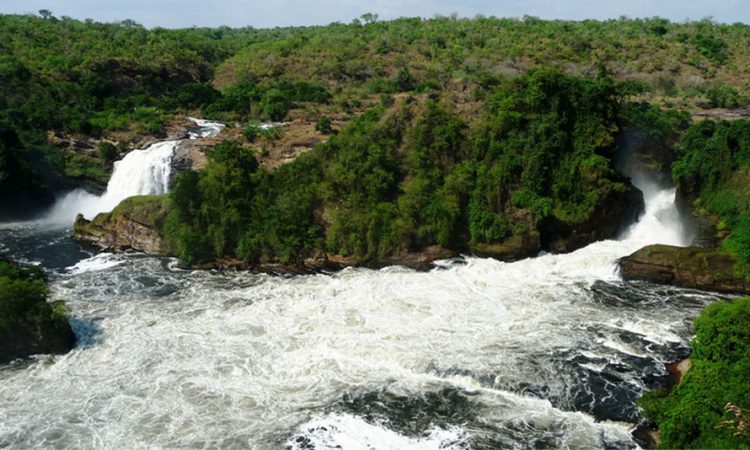
(3)Geomorphology erosion
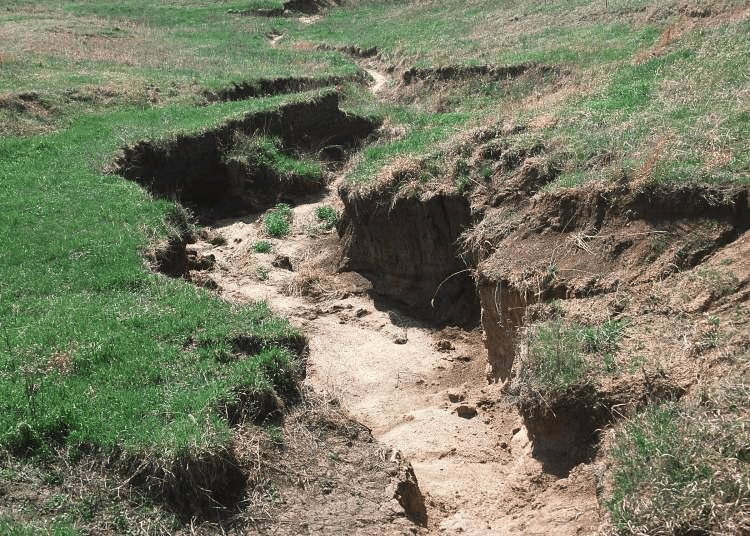
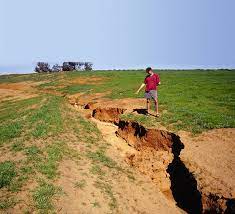
Definition. Erosion is a geomorphic process that detaches and removes material (soil, rock debris, and associated organic matter) from its primary location by some natural erosive agents or through human or animal activity.
(4)Geomorphology deposition.
Deposition is the laying down of sediment carried by wind, flowing water, the sea or ice. Sediment can be transported as pebbles, sand and mud, or as salts dissolved in water. Salts may later be deposited by organic activity (e.g. as sea shells) or by evaporation.